

Can wind energy replace polluting energies?
The question we asked ourselves is a vital one for the future of the planet. Indeed, polluting energies (hydrocarbons, nuclear) are not inexhaustible, and if nothing is done to replace them, the energy crisis that could then occur would be the greatest catastrophe in the world.
Moreover, global warming forces those who want to preserve the planet to use non-polluting energies, as the concentration of CO2 in the atmosphere has increased by 20% in 150 years and the concentration of methane (CH4, a greenhouse gas like CO2) has increased by 140%. The consequences of this global warming would be disastrous if nothing were done to stop it, or at least slow it down.
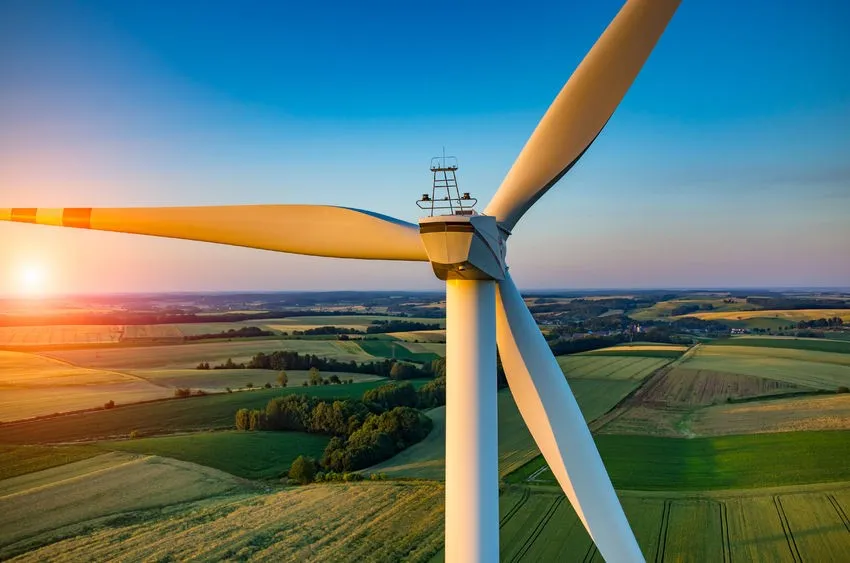
Therefore, we must seek other solutions to produce energy, and do so now, before it's too late. It is estimated that the wind distributes between 1.5 and 4 billion MW per hour, so it is logical to think about exploiting this tremendous resource. The wind turbine is thus one of these renewable energies that is gaining momentum. But will it succeed in becoming a leading energy source? This is the question we will strive to answer on this site.
Wind energy is increasing significantly, but it cannot provide the entire production on its own, as the wind is too unpredictable a resource. Unless we manage to store energy effectively in large quantities, the use of wind turbines cannot be considered alone.
This energy could potentially be combined with solar energy to produce electricity with wind turbines when it's windy and with solar panels when the sun shines. Generally, the wind blows when there is no sun and vice versa. France being a large country, it is easy to find a place to produce electricity with these two sources. We can also consider exchanges with other countries, or the use of hydroelectric plants and emerging renewable energies, such as biomass.
Wind energy is therefore not a viable solution on its own, but when combined with other energies, it can be an effective solution. Moreover, the very rapid development of the wind industry should reduce the number of wind turbines, as the installed turbines will be of high power.
Perhaps one day there will be wind turbines in the jet stream, where winds blow at over 300 km/h, as in the story "The Breath of Aeolus," by Danielle Martinigol and Alain Grousset, from the book Seeds of the Future?