
Lower your electricity bills
Why save energy?
Energy is a scarce resource: worldwide, not all inhabitants have access to it, or have it only insufficiently.
The use of energy consumes resources, some of which are non-renewable (coal, oil, natural gas). We cannot deplete all the planet's resources in just a few generations.
Moreover, the production and consumption of energy, whether oil, coal, or electricity, generate waste, solid or gaseous, and have impacts on the environment.
For sustainable energy consumption, it is necessary to use it wisely, without wasting.
Everyone can contribute to energy savings at home by changing their habits. Set the heating to 19°C, take a shower instead of a bath, use natural light as much as possible, turn off lights in unoccupied rooms, shut down the computer when not in use... these are simple actions that help limit our consumption without reducing the comfort we are used to.
The electricity consumption of the residential sector increases every year, especially because we use more and more electrical devices.
So let's be vigilant and avoid unnecessary consumption.
While there are expenses that are difficult to reduce, the good news is that electricity is one of the expenses that can be easily lightened! Much like reducing your water bill, it all comes down to equipping yourself with the right tools and adopting a few good habits. Let's see together how we can reduce your electricity expenses:
Equip yourself with the right accessories and appliances
Whether by replacing your usual bulbs with energy-saving bulbs, renewing your washing machine purchase with a low-energy consumption washing machine, or adopting a programmable thermostat to manage your heating expenses, there are several ways to help you achieve significant electricity savings.
Fluorescent bulbs & energy-saving bulbs

These are amazing inventions that save electricity. Fluorescent bulbs use up to 2/3 less energy and last up to 10 times longer than a traditional bulb! Energy-saving bulbs use about 80% less electricity than a traditional bulb and last 5 times longer! Be aware that: energy-saving bulbs are not compatible with light dimmers.
Also remember to clean your bulbs regularly, as a clean device can produce 40% more light than a dusty one at the same power.
The programmable thermostat
Did you know that in France, heating accounts for 40% of household energy consumption? It is therefore essential to focus on thermostats to reduce this consumption based on your presence in the home. Setting your thermostat according to your bedtime or presence in the house can help reduce your bills without affecting your comfort. Installing a programmable thermostat can reduce your bill by 2% for each 1°C decrease. Be aware that manual thermostats tend to be more expensive due to how they are used, often at too high or too low temperatures. They also require more handling and are generally not as precise as programmable thermostats. Additionally, consider properly insulating your doors and windows to prevent heat loss (sometimes this can be done with a simple piece of fabric).
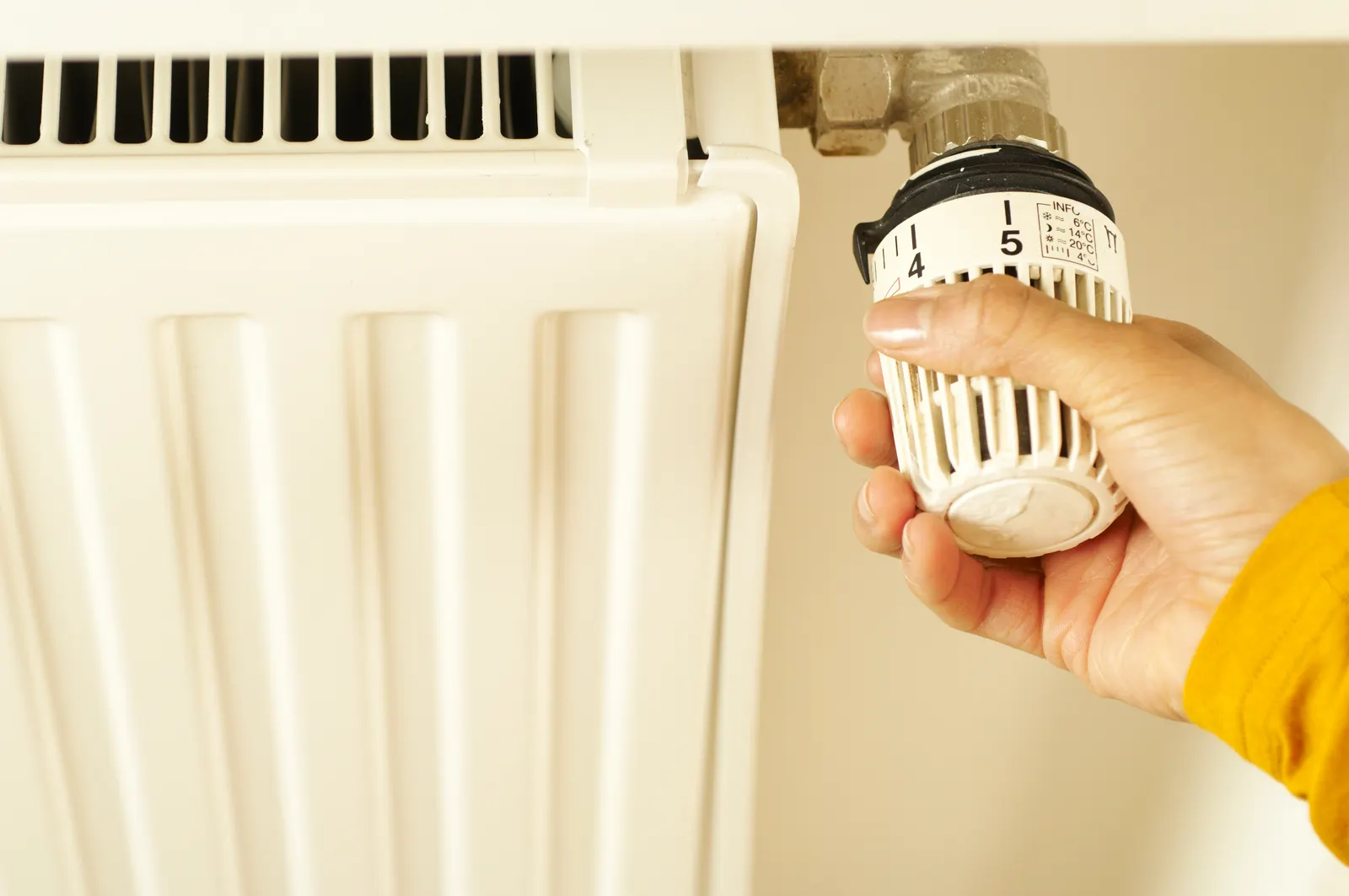
Atmosphere photography: BOOM 💥 Photography / Pexels
The dishwasher, washing machine & dryer
Buy appliances considering the cost of use and not just the price alone. Be aware that there is an alphabetical classification for these appliances ranging from letter A to G, which appears on the labels of these appliances and indicates the level of energy consumption. Letter A corresponds to the most economical and letter G to the least economical. A low-consumption appliance will cost more initially, but the investment will be well amortized in the medium term. Furthermore, if you benefit from an electricity rate that varies according to off-peak and peak hours, consider favoring washing during off-peak hours (without risking trouble with your neighbors if you live in an apartment!).
For the dishwasher: only run your dishwasher when it is fully loaded and consider using the "eco" or 50° programs.
For the washing machine: favor low-temperature cycles. Be aware that washing at 90° consumes 3 times more than washing at 30 or 40°! It is also preferable to skip the pre-wash phase for slightly or normally soiled laundry. Finally, consider using the "eco" program if you have one, as it can save you up to 25% of the energy of a normal wash.
For the dryer: if you cannot air-dry your laundry (which remains undeniably the most economical way), run your dryer only with well-spun laundry and without overloading it, as hot air must circulate well inside. Do not let your laundry dry too long either, as this leads to energy loss and can damage your synthetic clothes.
The refrigerator & freezer
As a general rule: avoid placing still hot or warm food in them or leaving the door open too long and remember to defrost them regularly to prevent overconsumption of electricity and to prolong their lifespan. Also know that a full freezer consumes less energy, while a refrigerator needs to have a minimum of space between the food to operate optimally.
Also remember to pay attention to the energy consumption indicated on the label when purchasing, knowing that the larger your appliance, the more it will consume.
Adopt energy-saving habits
Sometimes, it's the little things that can contribute to significant savings.
Turn off the lights when leaving a room and teach your family members to do the same: with a collective effort, this can save you up to €4 per lamp per year.
Favor natural light by not letting your trees block your windows.
Turn off your devices on standby: did you know that a device on standby can consume up to 75% of the energy consumed when it is on? For example, a television consumes 360 Wh/day in standby mode while it consumes half when operating 3 hours in normal mode. Avoid standby modes for your television, VCR, DVD player, computer, hi-fi, etc., as it can save you up to €44 per year if reprogramming the time on some devices doesn't bother you too much.
Do a check before going to bed: make sure the lights are off in all rooms.
Use outdoor lights only when necessary or even better: install a system with a motion detector which can also contribute to security.
Turn off or unplug the iron when you're not using it. Also, prioritize buying clothes that require little or no ironing.
Favor cooking with the microwave when possible. This reduces cooking time by 15 to 20% and saves energy.
Do not preheat your oven unnecessarily. When you need to cook something for less than an hour, 5 minutes of preheating is usually more than enough. Also, do not open your oven too often to taste a dish to avoid heat loss.
Turn off your electric stovetops a little before the end of cooking because they remain hot for a few minutes after being turned off.
Toast your bread with a toaster rather than a traditional oven: it's faster and consumes less energy.
Do not place your refrigerator or freezer near a heat source such as a stove or heating.
Equip your stairs and hallways with strategically placed motion detectors.
Turn off your heating when airing out a room.
Close the damper of your fireplace when the fire is completely out and close the curtains and shutters to retain heat at night.