

What is photovoltaics?
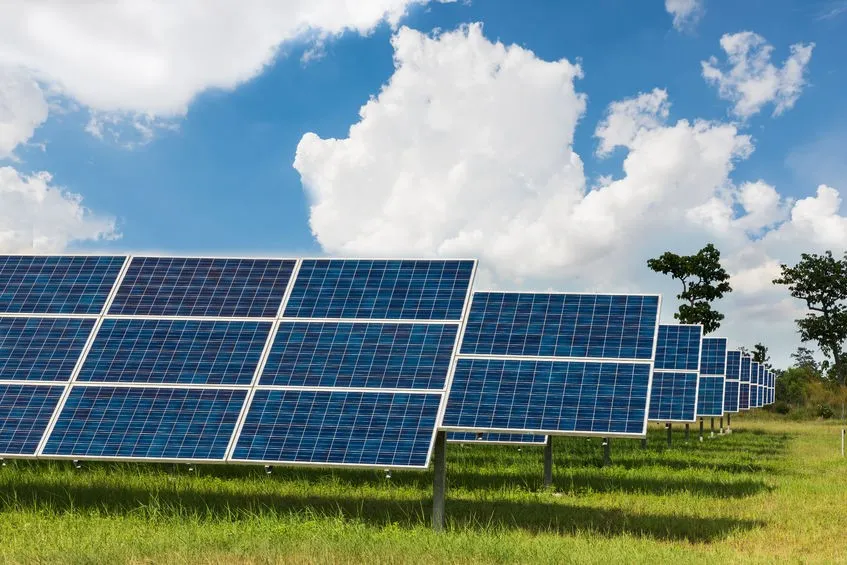
The operation of photovoltaic solar is quite simple. Electrons are "energized" when exposed to sunlight. They then break free from their atoms and can thus carry electric current in a specific direction, like a battery, and thus generate a source of electricity. Thus, a photovoltaic solar panel can directly convert solar energy into electricity.
Photovoltaics is the process that directly transforms solar energy into electricity.
It is not a process using heat to activate turbines that will transform into electricity, since solar energy is directly converted into electricity. Like on the solar calculators that children have at school, except that the energy produced is multiplied millions of times.
How does it work?
Normally, a solar system stores surplus energy in a battery, allowing you to use this reserve when there is little or no sun to power your home.
Depending on the systems, the battery is not always necessary. For example, for a water pump, water is pumped and stored at a high level during the day, and in the evening the water is usable thanks to the pressure caused by gravity.
A Good Investment
Equipping yourself with photovoltaic solar sensors proves to be a more than interesting long-term investment.
This is why most photovoltaic solar installations are intended for the resale of energy. In just a few years, the investment is recouped, thanks to the savings generated by electricity production.
Thermal Solar Panels
They come in the form of sensors that absorb solar energy, to release it in the form of heat.
This system works both in summer and winter, without influence from the outside temperature, as it only depends on solar radiation. This principle is simple and proven.
Thermal solar panels are used to meet two different needs:
- First, the heating of sanitary water (Individual Solar Water Heater): the installation of 3.5 to 4.5 m² of solar sensors can provide 80% of the hot water needs of a family of 2 to 4 people.
- Then the heating of sanitary water coupled with heat production for the existing heating system (Combined Solar System): to complement your traditional heating method with solar, between 8 and 15 m² of panels are needed depending on the housing and solar exposure of the home.
The Advantages of Solar:
When considering the advantages of solar, one naturally thinks of the reduction in bills over the years and also the reduction in CO2 associated with electricity production and its delivery. But like everything, solar panels are an investment for your home that can increase the value of your property, your ecological conscience will be delighted just like your wallet!